


What are Earth Sciences?


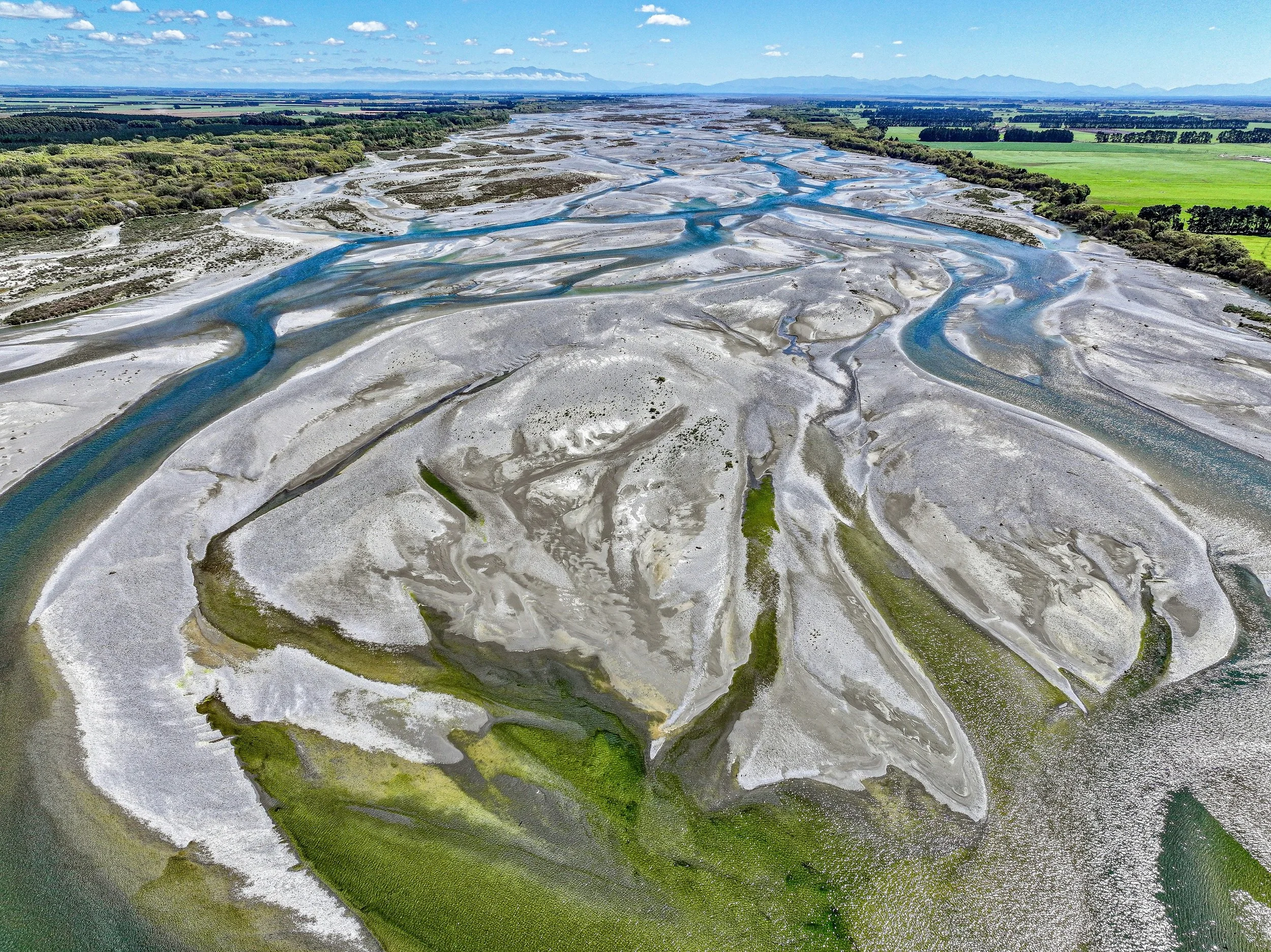

Earth sciences are the study of the Earth's solid parts, waters, and atmosphere, with the goal of understanding the planet's history and current state. It is an interdisciplinary field that draws on many natural and physical sciences, including biology, chemistry, geography, mathematics, statistics and physics.
Geology, geochemistry, and geophysics:
The solid parts of the Earth
Meteorology or atmospheric science:
The Earth's atmosphere
Hydrology:
Water on, above, and beneath the Earth's land surface
Oceanography:
The Earth's seas and oceans
Earth sciences help us understand how the planet works, and can be applied to practical issues like construction, climate change, groundwater pollution, and resource management. Earth science graduates develop a range of transferable skills, including observation, data collection and analysis, and problem-solving -- skills that are increasingly critical as we navigate environmental challenges and shape how humanity interacts with the natural world.